

Real Estate Agent Safety
Real estate professionals routinely meet unfamiliar people, enter unfamiliar properties, work alone, and place personal information in public view. Real Estate Agent Safety teaches practical strategies for recognizing danger earlier, reducing exposure to risk, and responding effectively when a situation begins to go wrong.
This USCCA course is designed specifically around the circumstances real estate professionals encounter in the field.
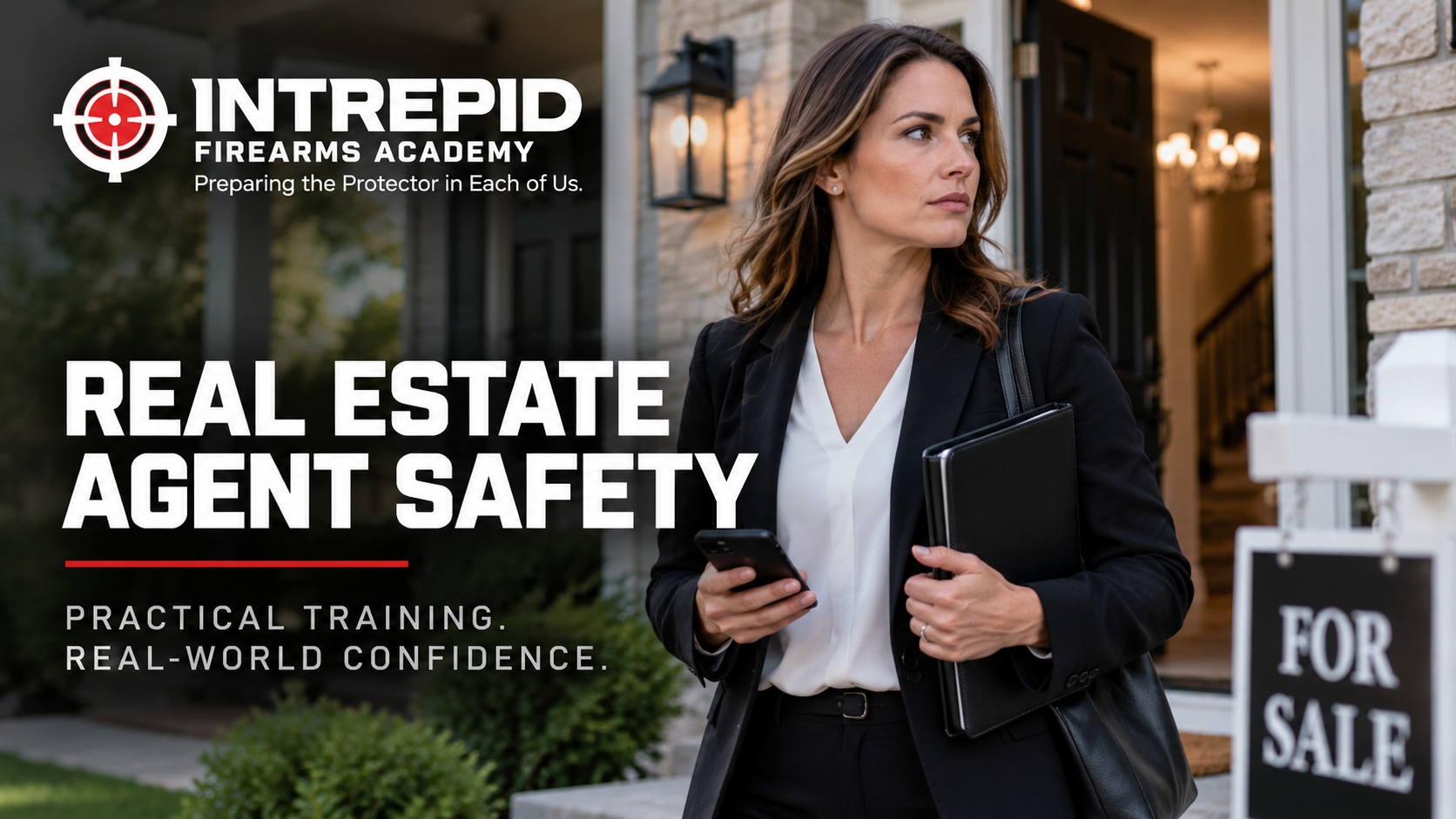
Course Overview
Real Estate Agent Safety is designed around a simple reality: the nature of real estate work can place agents in unusually vulnerable situations. Agents frequently work alone, meet strangers, enter vacant or unfamiliar properties, maintain a highly visible online presence, and may have little immediate assistance available when something goes wrong.
This course examines those risks and develops practical strategies for reducing them before an encounter becomes dangerous.
Lessons include:
- Why Real Estate Agents Are at Risk
Understand the characteristics of real estate work that can create opportunities for violence and learn from incidents involving real estate professionals. - Situational Awareness
Develop greater awareness of your surroundings, recognize event and threat indicators, understand the attack cycle, and learn to identify danger earlier. - How Stress Affects the Body
Understand the fight, flight, or freeze response and how extreme stress can affect perception, memory, hearing, dexterity, and decision-making. - Mindset and Defensive Strategies
Learn practical ways to reduce risk before and during client meetings, use de-escalation strategies, plan your arrival and departure, and avoid becoming trapped in a dangerous situation. - Defensive Options
Examine armed and unarmed defensive options, personal-safety technology, emergency communication, less-lethal tools, and the considerations involved in choosing an appropriate defensive strategy. - Emergency First Aid — Optional
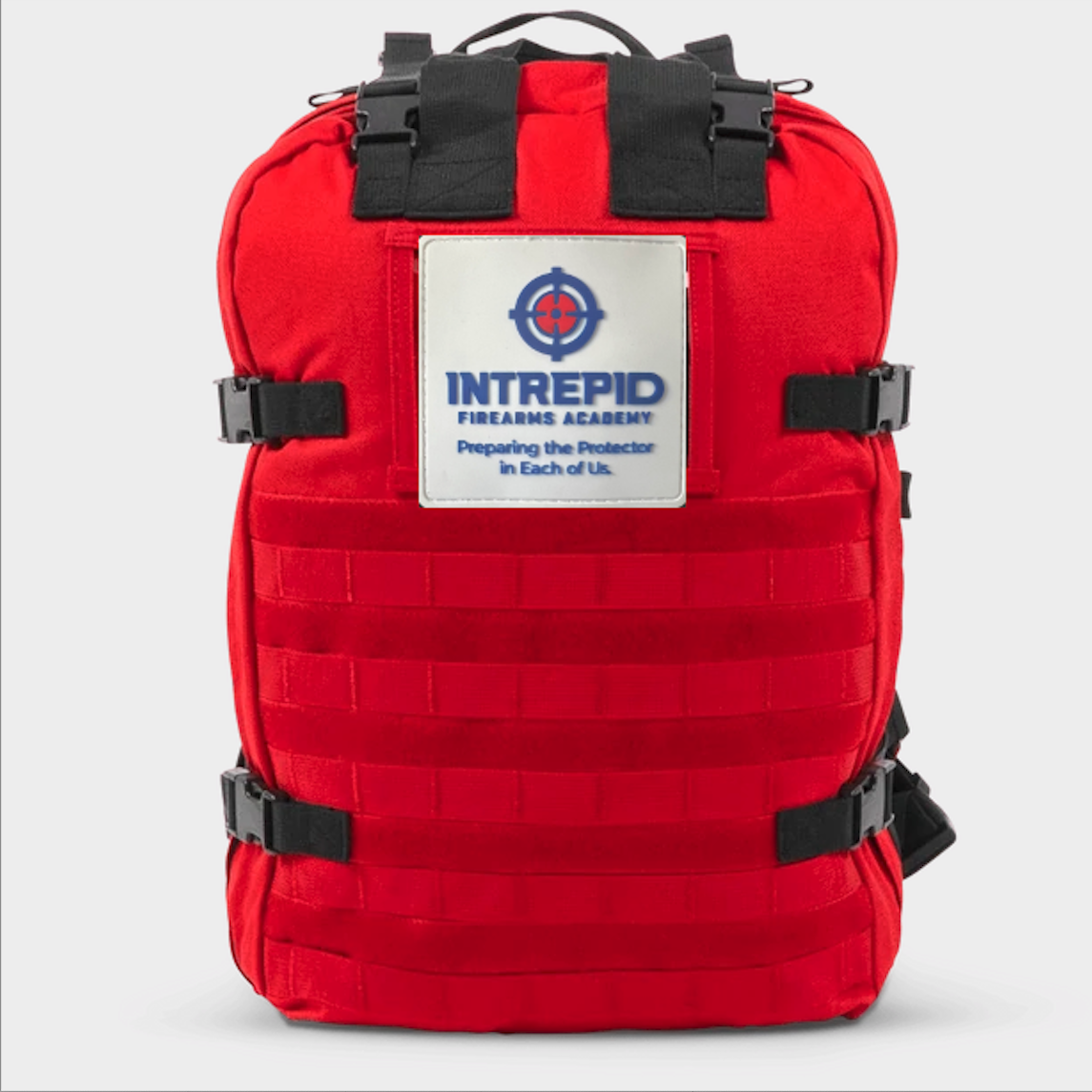
When included, this lesson introduces emergency response to severe bleeding, cardiac emergencies, and shock.
Real Estate Agent Safety is primarily a classroom course and is designed for real estate professionals who want practical ways to improve their personal safety while working in the field. The standard curriculum is approximately two hours; timing can be adjusted to the needs of the group, and the optional emergency first-aid lesson can extend the program.
Recognize Risk Earlier
Learn to maintain effective situational awareness, establish a baseline for your environment, recognize event and threat indicators, and identify developing danger before your options become limited.
Reduce Your Exposure
Develop practical habits for meeting clients, approaching and entering properties, parking, maintaining escape routes, using technology wisely, and de-escalating situations before they become violent.
Prepare to Respond
Understand how stress affects your body and decision-making, consider armed and unarmed defensive options, and develop a personal safety strategy you can realistically use on the job.
What’s Included?
- USCCA Real Estate Agent Safety curriculum
- Instructor-led classroom training
- Real estate-specific safety scenarios and discussion
- Situational-awareness and threat-recognition training
- Client-meeting and property-safety strategies
- Personal defensive-options discussion
- Emergency communication and safety-technology considerations
- Certificate of completion, when applicable
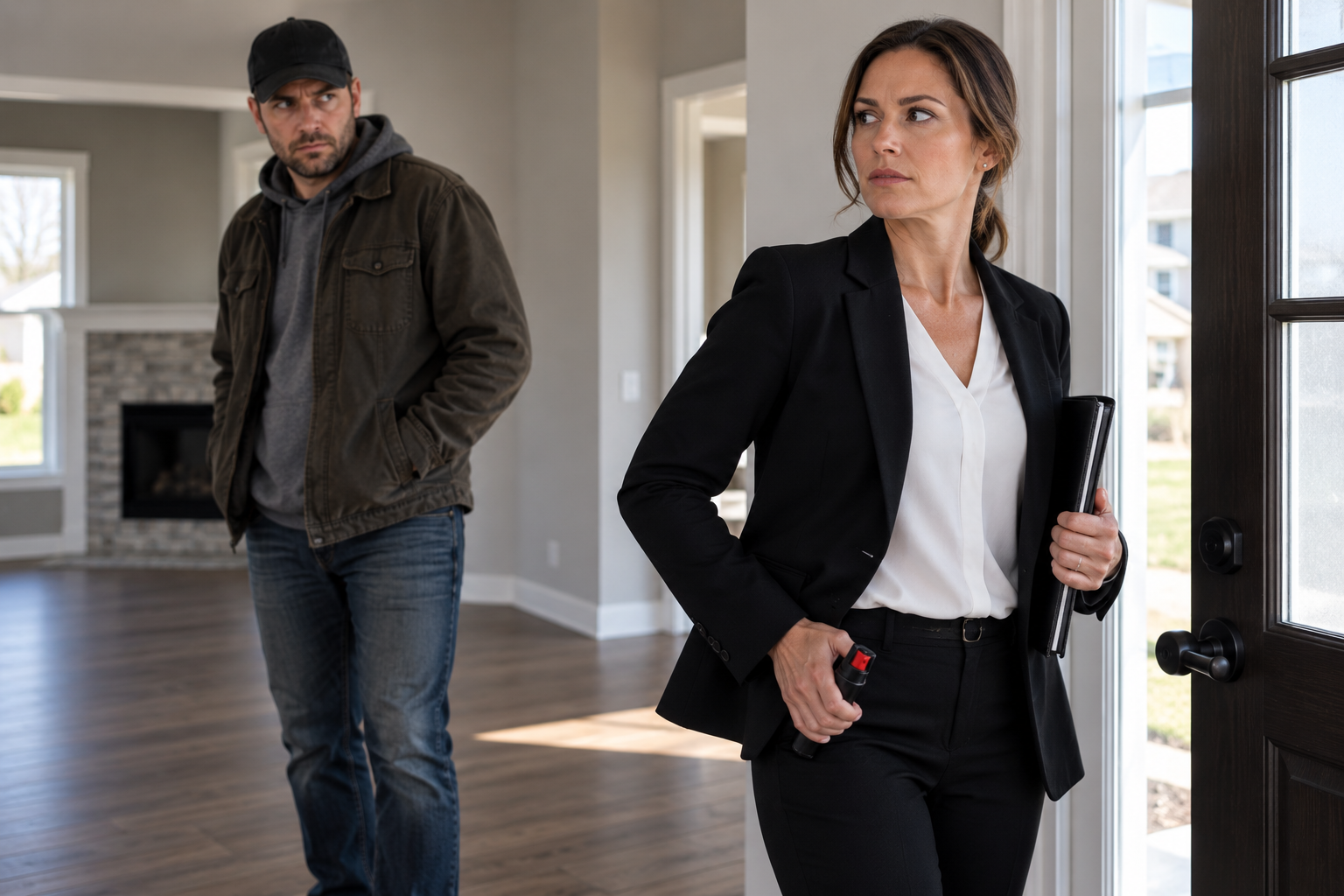
Prerequisites
There are no prerequisite courses and no prior self-defense or firearms training is required.
Real Estate Agent Safety is intended for real estate professionals who want to improve their personal safety while meeting clients, showing properties, conducting open houses, traveling between appointments, and performing other work in the field.
The course applies whether or not you own or carry a firearm.
What to bring
Equipment & Gear
- Note-taking materials
- Your cellphone
- Any personal-safety questions or situations you would like to discuss
Firearms
No firearm is required for this course.
If firearms are present at the training location, they must remain holstered or cased unless otherwise directed by the instructor or required in response to an actual emergency.
Ready To Train ?
If Real Estate Agent Safety is the right next step for you or your organization, choose how you'd like to move forward. As this course is usually customized for individual groups, there is unlikely to be an upcoming class on the calendar. Instead, we recommend you scheduling a Zoom call with us about scheduling training for your office, association, or professional group, or to just get answers to your questions. Click on the button below.
YOUR INSTRUCTORS
Real Estate Agent Safety is taught by Intrepid’s team of experienced, certified instructors. Together, they bring extensive backgrounds in firearms, personal defense, situational awareness, emergency response, and adult education to a course focused on practical strategies real estate professionals can apply in the field.
The emphasis is not simply on responding to danger, but on recognizing developing problems early, reducing opportunities for violence, and making sound decisions before a situation becomes critical.
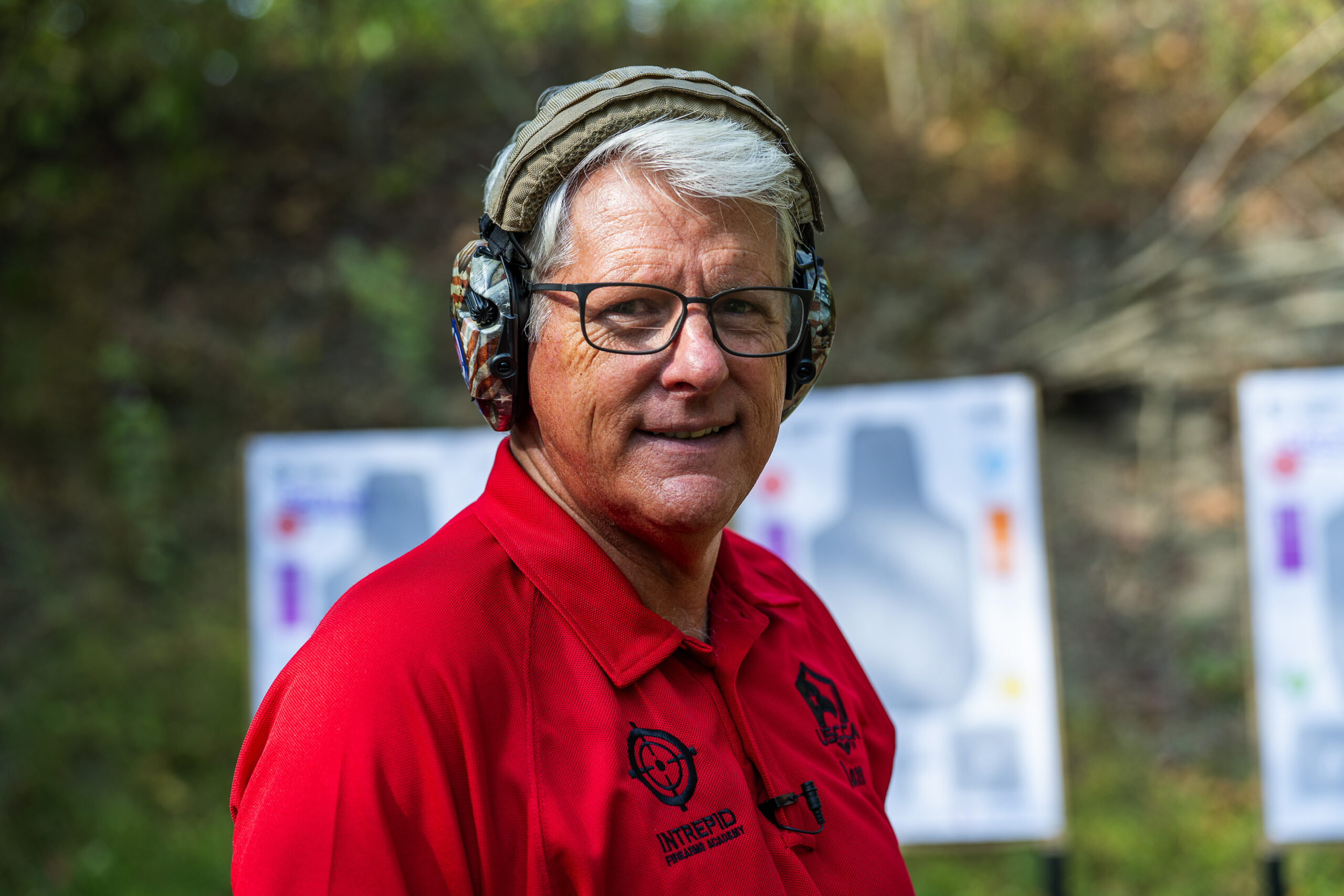
R. Ian Davis
Chief Instructor
USCCA / NRA / CMP / UTM / SABRE Certified Instructor
USCCA Training Counselor
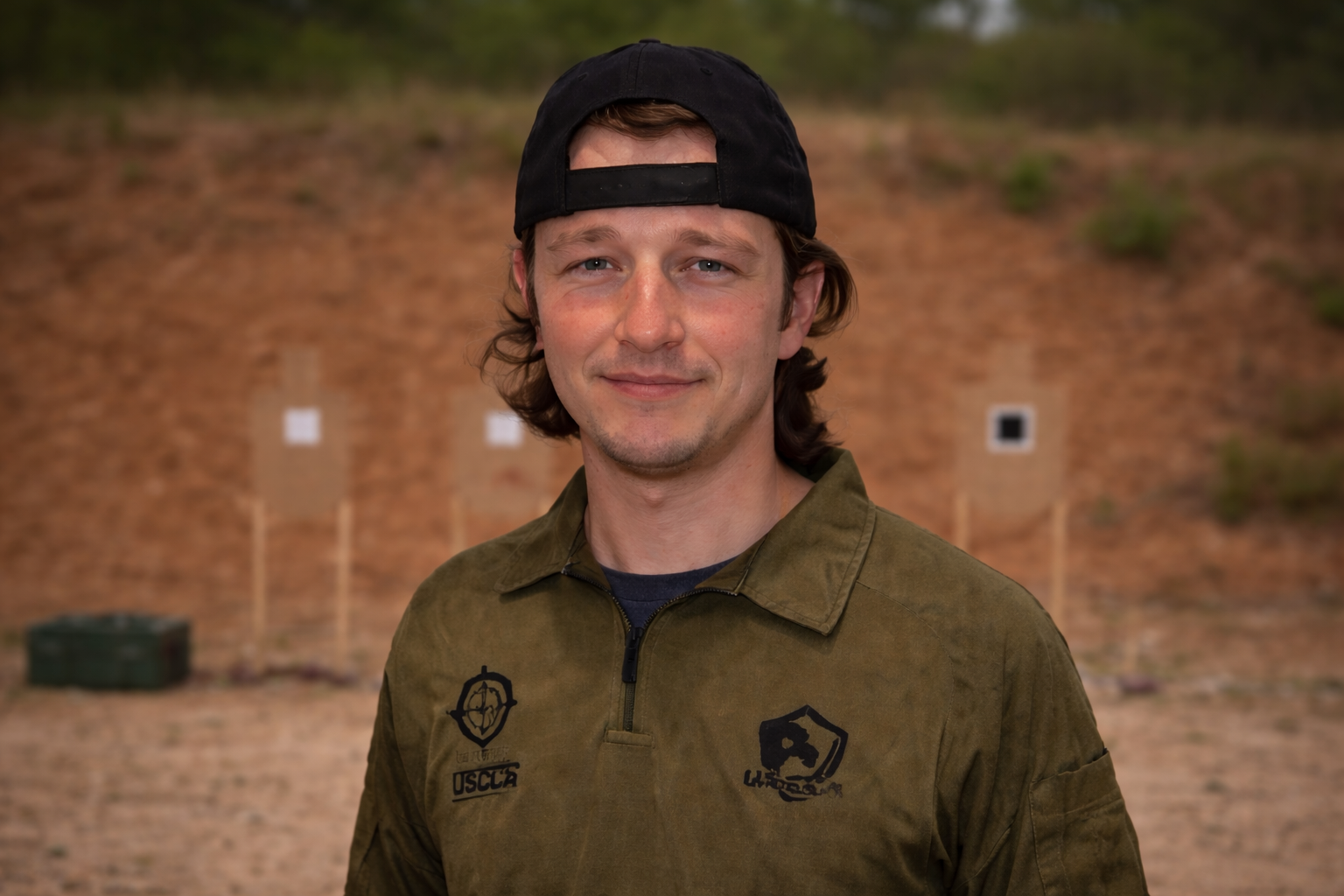
Cristian Dlesk
Associate Instructor
USCCA Certified Instructor

Ian Warren
Adjunct Instructor
USCCA Certified Instructor
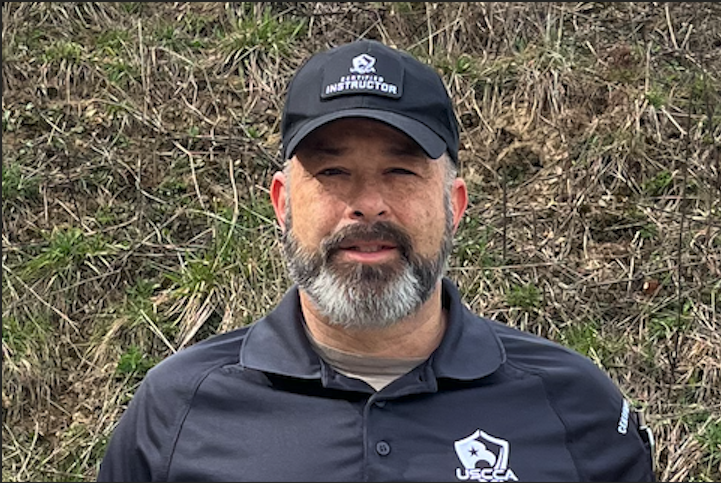
Richard Saphore
Adjunct Instructor
USCCA / NRA Certified Instructor
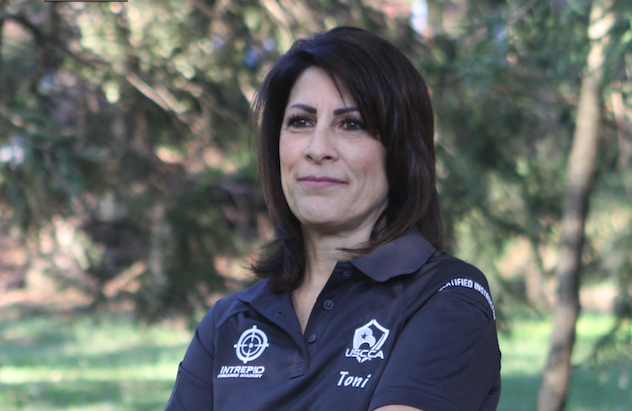
Toni J. Davis, ESQ.
Adjunct Instructor
USCCA Certified Instructor
Student voice




text
name
descriptor