

Emergency First Aid Fundamentals
Emergency First Aid Fundamentals prepares ordinary people to respond effectively when a medical or traumatic emergency occurs and professional help is still minutes away. Using realistic scenarios and hands-on practice, you’ll learn how to assess a patient, respond to life-threatening injuries and medical emergencies, and use the lifesaving tools commonly found in a well-equipped first-aid kit.
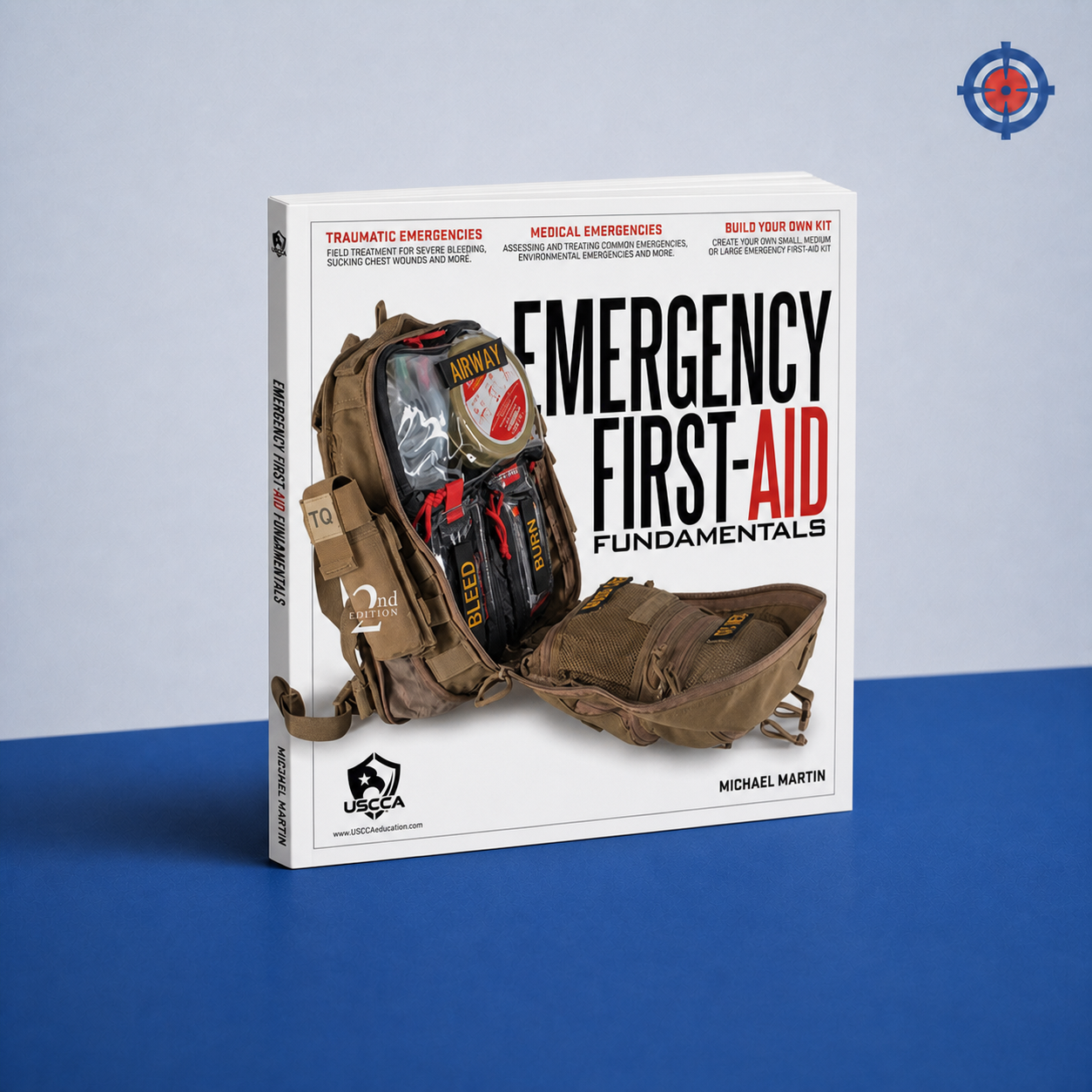
Course Overview
Patient Assessment (EFAF-PA)
Effective emergency response begins with learning how to assess a situation—a core skill shared by all first responders and one that applies to everyday citizens as well. This course teaches a simple, memorable assessment process that helps you stay calm and make sound decisions in chaotic medical or traumatic emergencies, covering scene safety, the primary assessment, ABCs (airway, breathing, circulation), and basic patient assessment while protecting your own safety.
Traumatic Emergencies (EFAF-TE)
Severe traumatic injuries can result from events as common as a serious fall or automobile accident—or from violence such as a shooting or stabbing. This lesson addresses the assessment and treatment of several trauma emergencies, including severe bleeding, penetrating chest injuries, flail chest, severe burns, musculoskeletal injuries, and trauma to the head and eye.
Medical Emergencies (EFAF-ME)
When preparing for a hunting trip or range day, many people assume a gunshot wound is the most likely emergency. In reality, medical emergencies such as stroke, cardiac arrest, or diabetic emergencies are far more common. This lesson focuses on recognizing and responding to these higher-probability medical emergencies while reinforcing critical lifesaving skills beyond trauma care.
Emergency First Aid Fundamentals can be taught as a group class or as private instruction. Group classes are the most common and economical format, while private instruction can be individually scheduled and tailored to the needs of the student or group.
What You’ll Learn
How to assess an emergency scene, evaluate a patient, recognize immediate threats to life, and determine what needs to happen first.
What You’ll Learn
How to recognize and respond to serious traumatic injuries and common medical emergencies while awaiting professional medical care.
What You’ll Learn
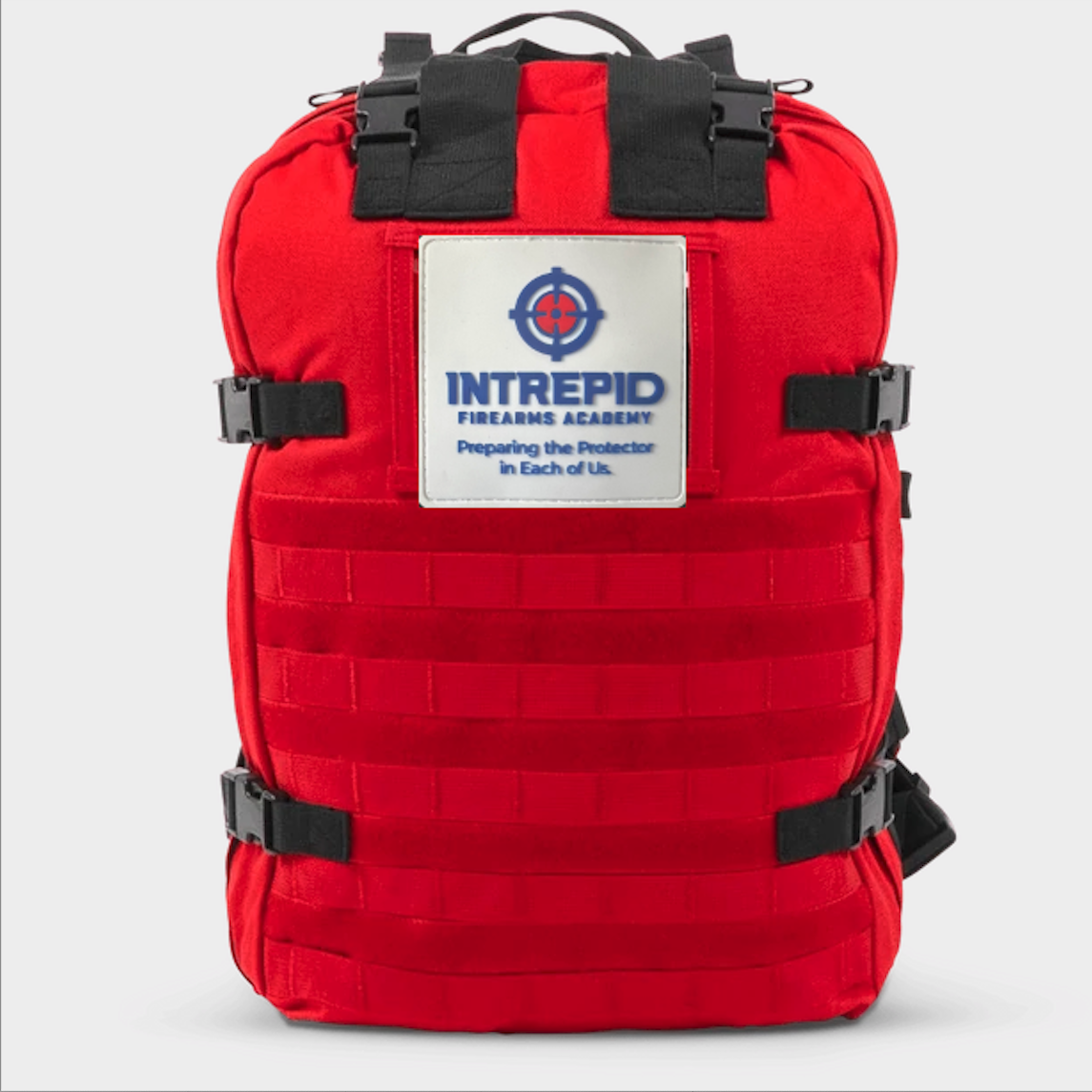
How to select and properly use lifesaving first-aid equipment—and how to build a practical first-aid kit appropriate to your needs.
What's Included?
-
Instructor-led classroom instruction
-
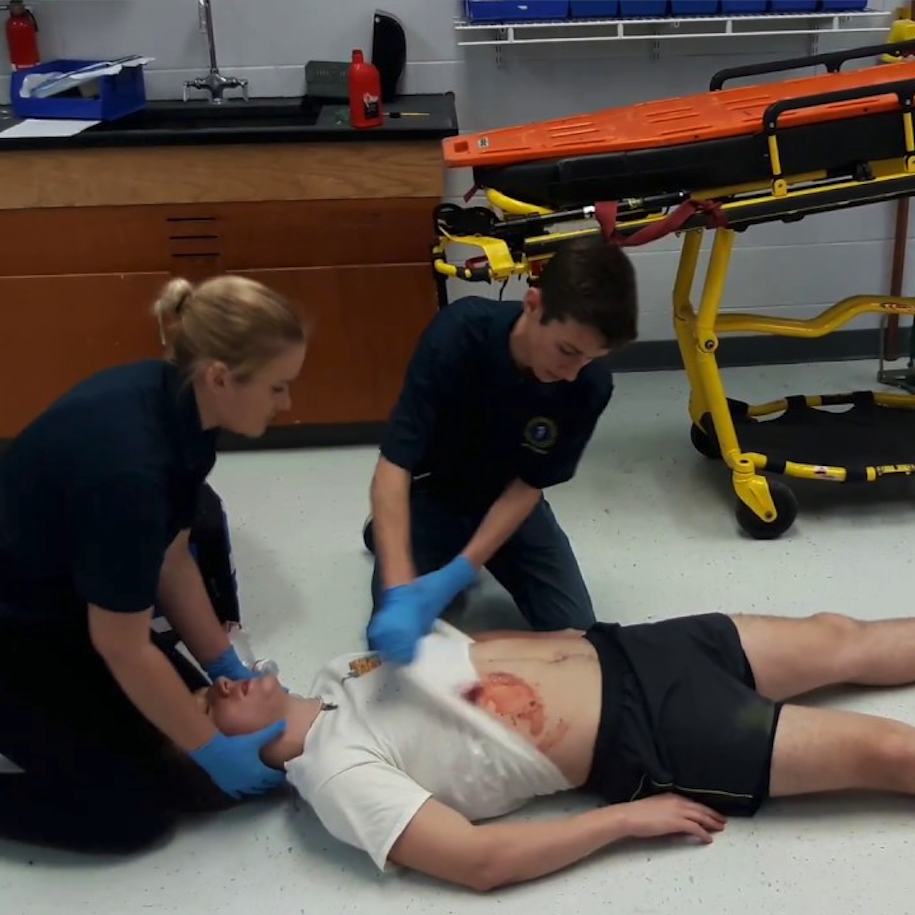
Hands-on skills practice
-
Realistic patient scenarios
-
Patient assessment and decision-making practice
-
Training with common emergency medical equipment
-
Guidance on selecting and building a practical first-aid kit
Prerequisites
There are no prerequisites for this course. No prior medical training or first-aid experience is required.
Emergency First Aid Fundamentals is a modular program. The primary sections of the curriculum may be taught independently as derivative courses, and several shorter Mini-Classes are also available for groups seeking focused training on a particular subject.
Derivative Courses:
- Patient Assessment (EFAF-PA)
- Traumatic Emergencies (EFAF-TE)
- Medical Emergencies (EFAF-ME)
Mini-Classes (1–3 hours each):
- Building Your Own First Aid Kit (EFAF1)
- Save a Life: Control the Bleed (EFAF2)
- Restart the Heart (EFAF3)
- Mass Casualty Incidents and the Triage System (EFAF4)
YOUR INSTRUCTOR(S)
Emergency First Aid Fundamentals is taught by members of the Intrepid Instructor Team qualified to teach the applicable first-aid curriculum. Instruction emphasizes practical skills, realistic scenarios, and the ability to make sound decisions when professional medical help may still be minutes away.
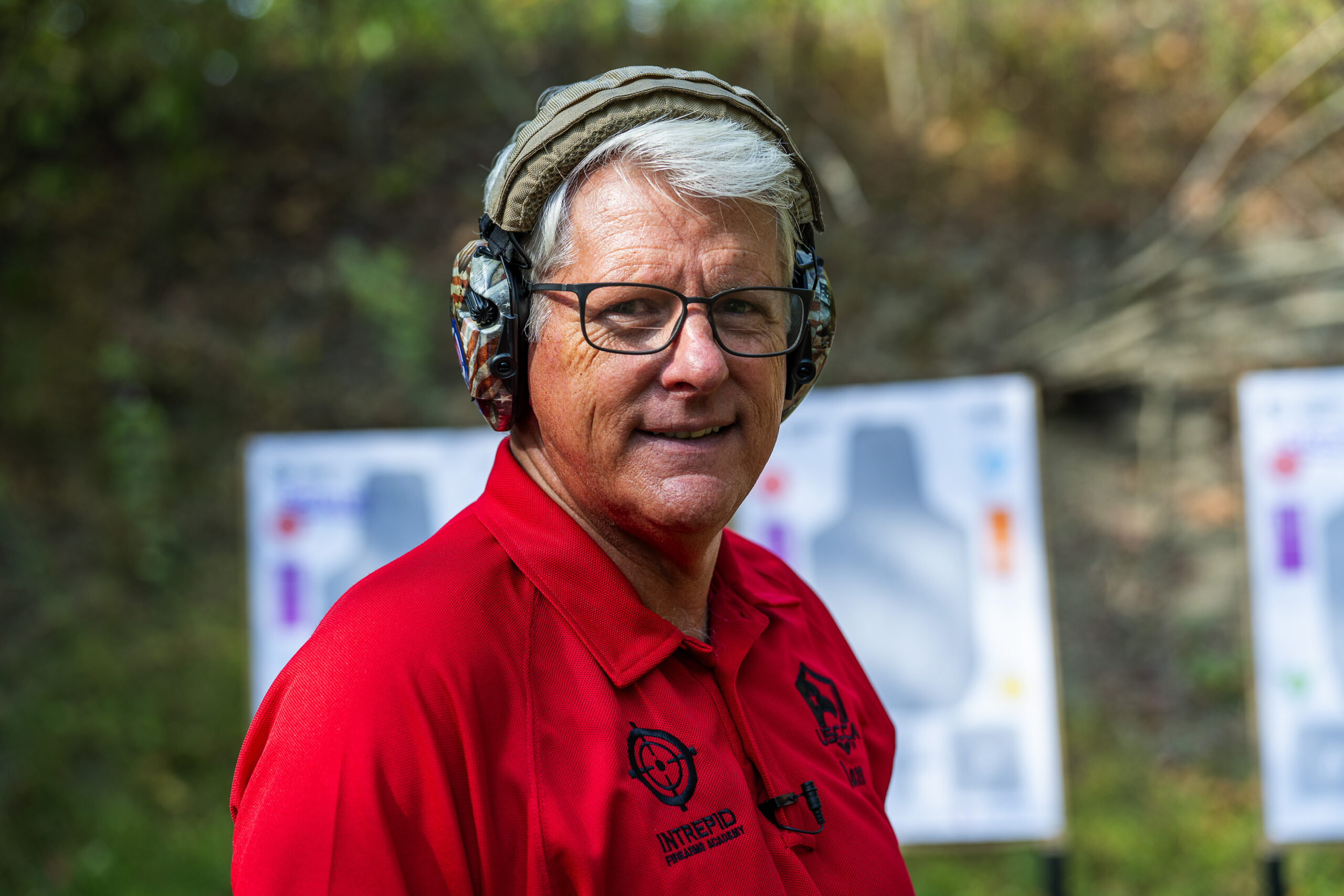
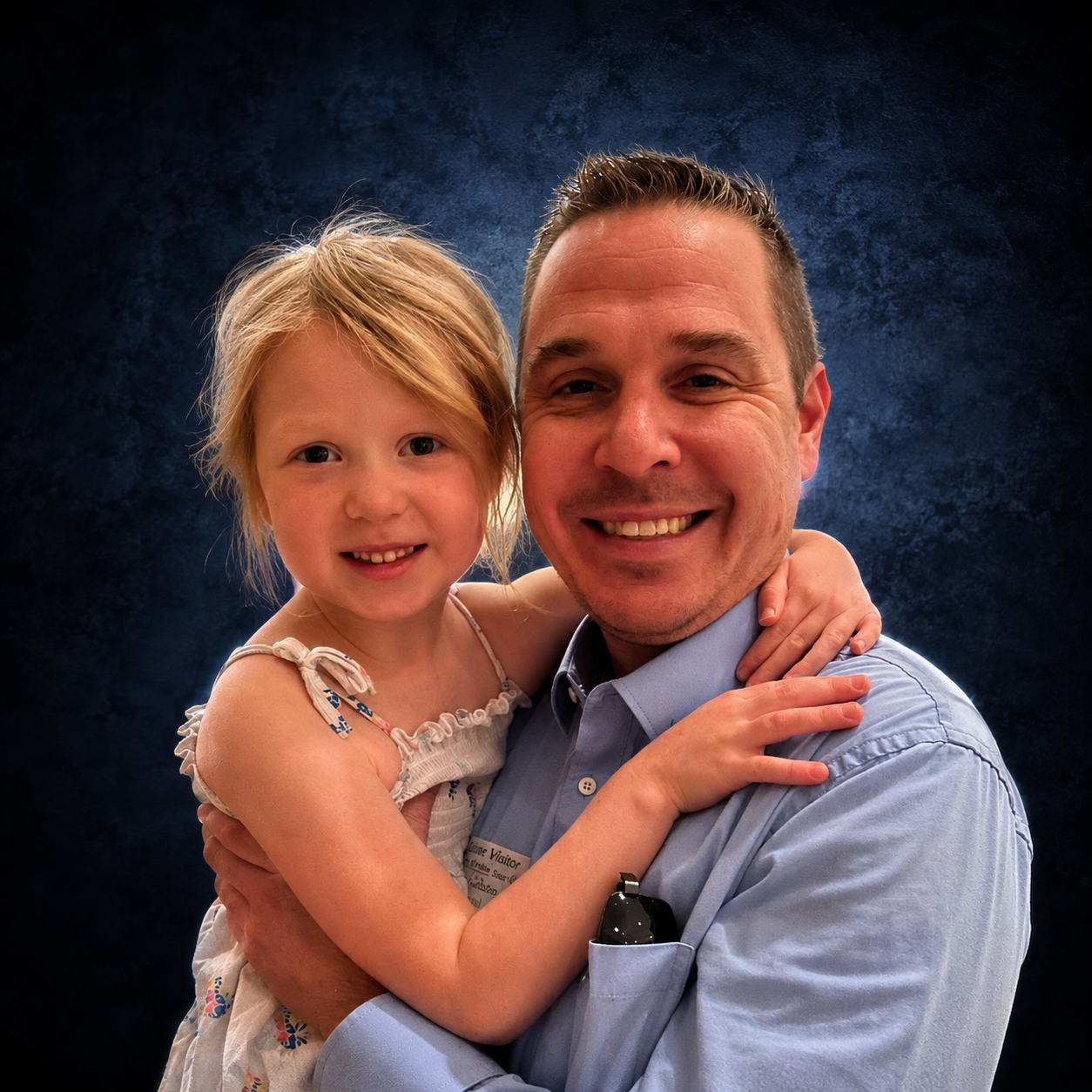
R. Ian Davis
Chief Instructor
USCCA / NRA / CMP / UTM / SABRE Certified Instructor
USCCA Training Counselor
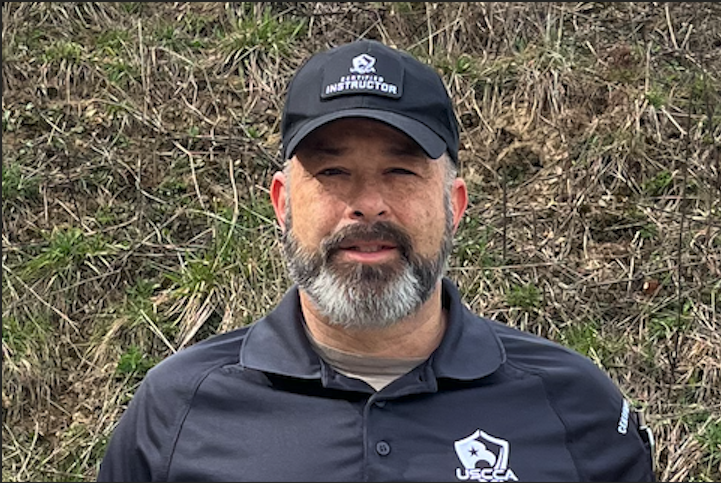
Richard Saphore
Adjunct Instructor
USCCA / NRA Certified Instructor
Ready To Train ?
If this course is the right next step for you, the next step is a phone call to talk about when, where, how, etc. So click the button below to schedule a call.
Student voice







text
name
descriptor